Blog
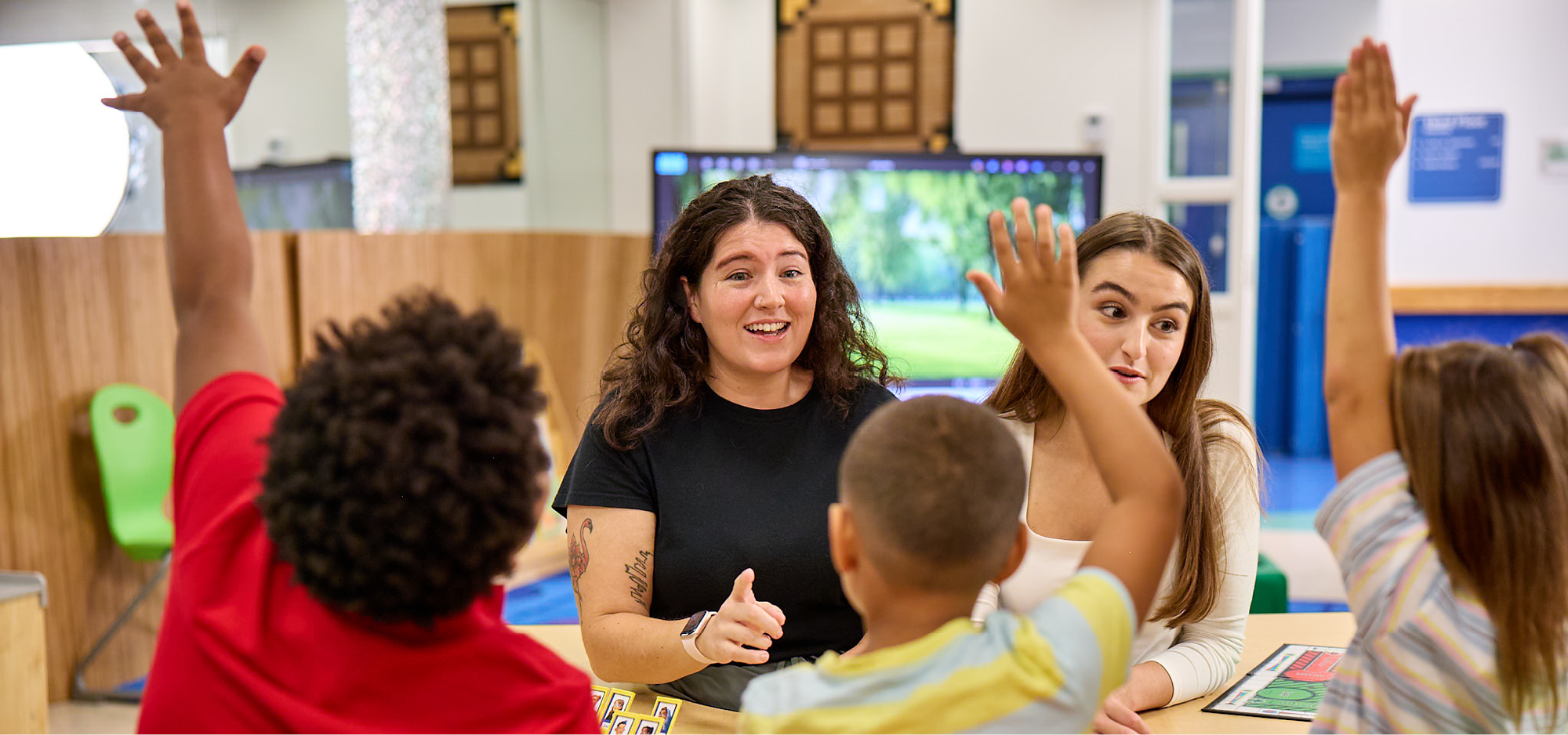
Autism is often misunderstood. At its core, it is a neurodevelopmental difference and reflects how people experience, process, and interact with the world around them.
For some, autism can impact learning, social engagement, and daily routines. That’s why individualized, evidence-based support that focuses on building communication, social, and life skills is important to help each person engage more fully in their environment.
What Autism Is
-
Autism is a natural difference in how a person’s brain develops and experiences the world.
-
It’s a spectrum, which means it looks different in every person.
-
Many people with autism experience uniqueness in communication, social connections, and how they process sights, sounds, or sensations.
-
Autism can come with strengths, such as strong focus, deep interests, honesty, or patterns of thinking that lead to creativity and problem-solving.
-
Some people may also need extra support, like clear routines, communication tools, therapy, or accommodations, to help them thrive.
- Autism is present from early development, even if it becomes noticeable later on.
Autism is simply a different way of experiencing the world, and every person experiences it in their own unique way. It’s not something that needs to be “fixed,” but something that grows best with understanding, patience, and support. With the right tools, routines, and encouragement, people with autism can develop meaningful skills, build confidence, and thrive in ways that reflect who they truly are.
What Autism Isn't
- Autism isn’t something a person can "catch" or something that needs to be cured.
- It’s not caused by parenting—nothing a family did or didn’t do created autism.
- No two people with autism are the same; each person is unique in their strengths and needs.
- Autism isn’t just being "awkward" or "antisocial"—it’s about how someone experiences and connects with the world.
- It doesn’t automatically mean an intellectual disability, though some people may have one as well.
- Autism may not always be obvious, especially at first or in familiar settings.
- It’s not something people outgrow—it’s a lifelong part of who they are.
- Autism isn’t limited to childhood; adults with autism exist and are often overlooked or diagnosed later.
- Autism is not defined only by challenges—strengths, interests, and abilities are a real and important part of the picture.
Understanding what autism is not is just as important. It is not one story; it is many. By recognizing the individuality of each person and focusing on both strengths and support needs, we can create environments where people feel understood, supported, and empowered to thrive.
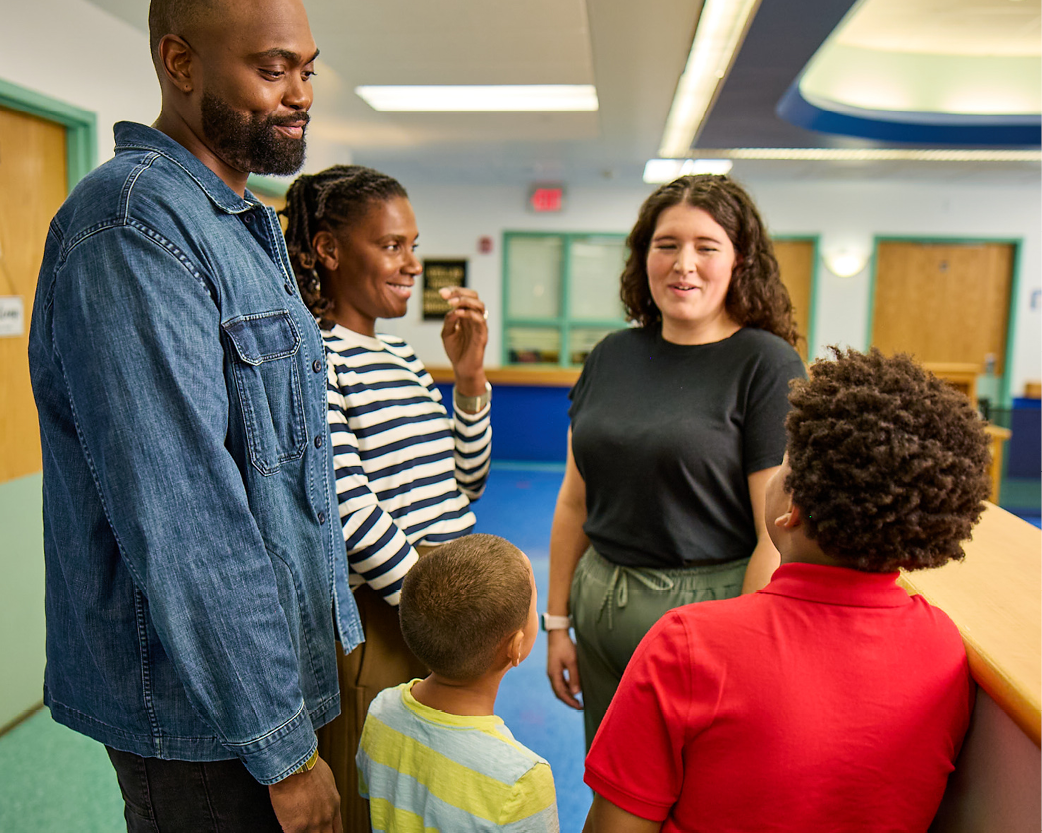 At The Children’s Institute, this understanding is at the core of how care is delivered—through individualized, evidence-based services designed to support communication, social development, and overall quality of life for each child and family.
If you are a parent or caregiver seeking support for your child, our teams are here to help guide you through the process and determine the best fit for your family’s needs. We encourage you to connect with us to learn more about available services and how to get started. For more information about the Applied Behavior Analysis (ABA) program at The Children’s Institute, please contact the ABA Program Specialist at 412.420.2371.
Please note that a behavioral health diagnosis and written order is required to receive ABA services. If you have questions about your child’s eligibility or how to obtain a diagnosis, please call 412.420.2400.
Pittsburgh Latino Magazine: Medical Leadership with a Human Face / Liderazgo Médico con Rostro Humano
Take Action
Not sure what the next step is? You can always call our Information Center to speak to a team member who can direct you to the support and answers you need.
Call Us: 412.420.2400
Comments (0)