Blog
Autism & Nutrition with Dr. Becca Kurzweil
Make food more inviting by turning everyday eating into a playful, low-pressure experience! The goal is not to create perfect meals, but to make food exploration feel fun, familiar, and manageable.
Let Your Child Be the Chef
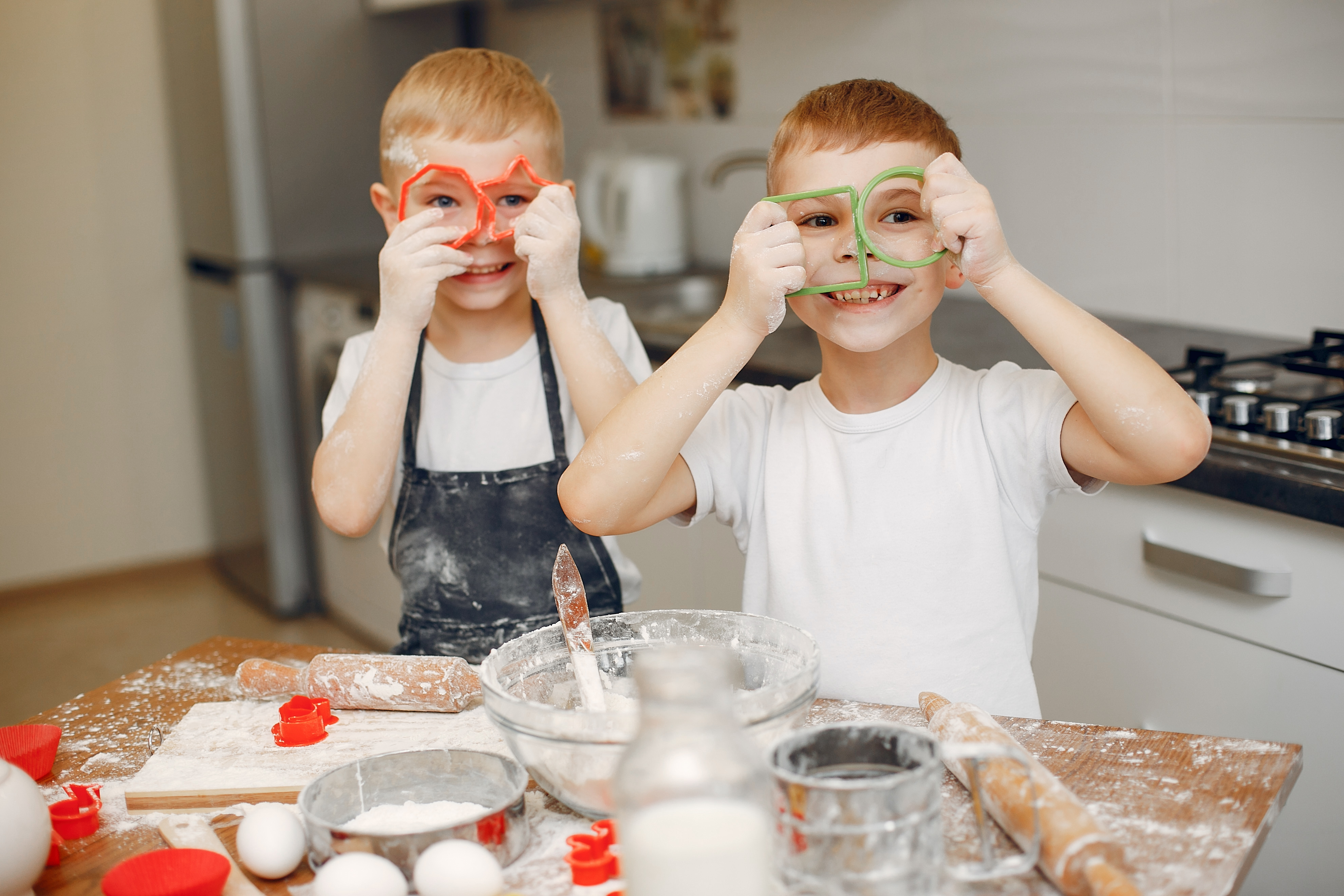 One of the easiest ways to make food more exciting is to give children a role in preparing it. Letting kids become the “chef” by assembling simple meals and snacks themselves can make familiar foods feel more interesting. Store-bought taco kits, make-your-own pizzas, and even popcorn can become more appealing when children help put them together. The same idea works for lunch, too: a bento-style box filled with crackers, cheese, lunch meat, leftover chicken, applesauce, or cut fruit can feel a lot more fun when kids get to choose and build it on their own. You can also try making familiar favorites at home, such as homemade applesauce or fresh-squeezed orange juice, to add novelty without straying too far from foods your child already enjoys.
Change the Setting with a Picnic
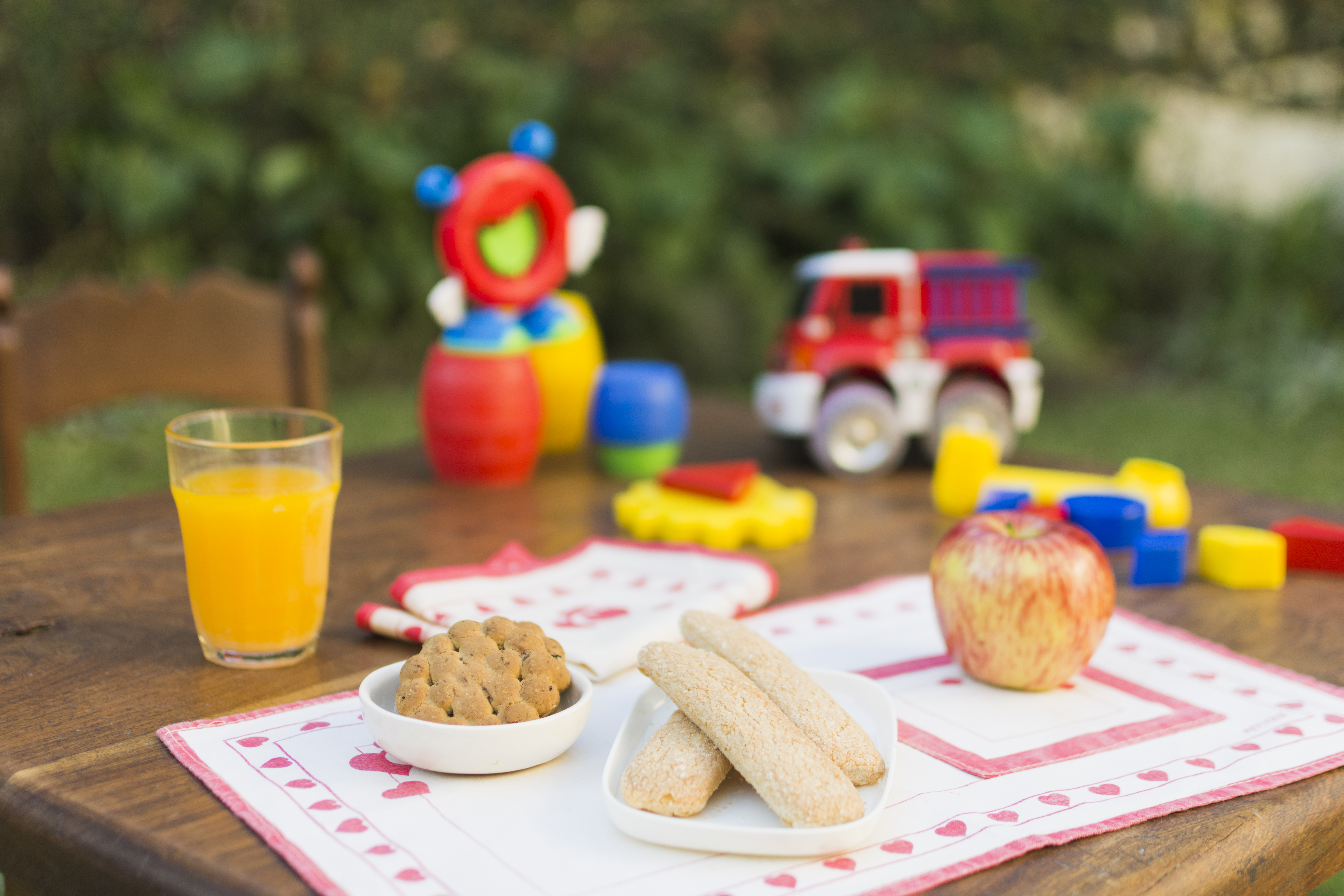 Sometimes the food does not need to change at all—just the setting. A picnic can transform an ordinary snack or meal into something memorable. That might mean spreading a blanket on the living room floor, moving lunch outside on a nice day, or setting up a child-sized picnic with stuffed animals. Even using special dishes can make food feel more interesting. When children see a familiar snack presented in a different environment, they may be more willing to engage with it. This approach works especially well for families looking to break out of a routine and make mealtime feel more interactive.
Make Food Playful
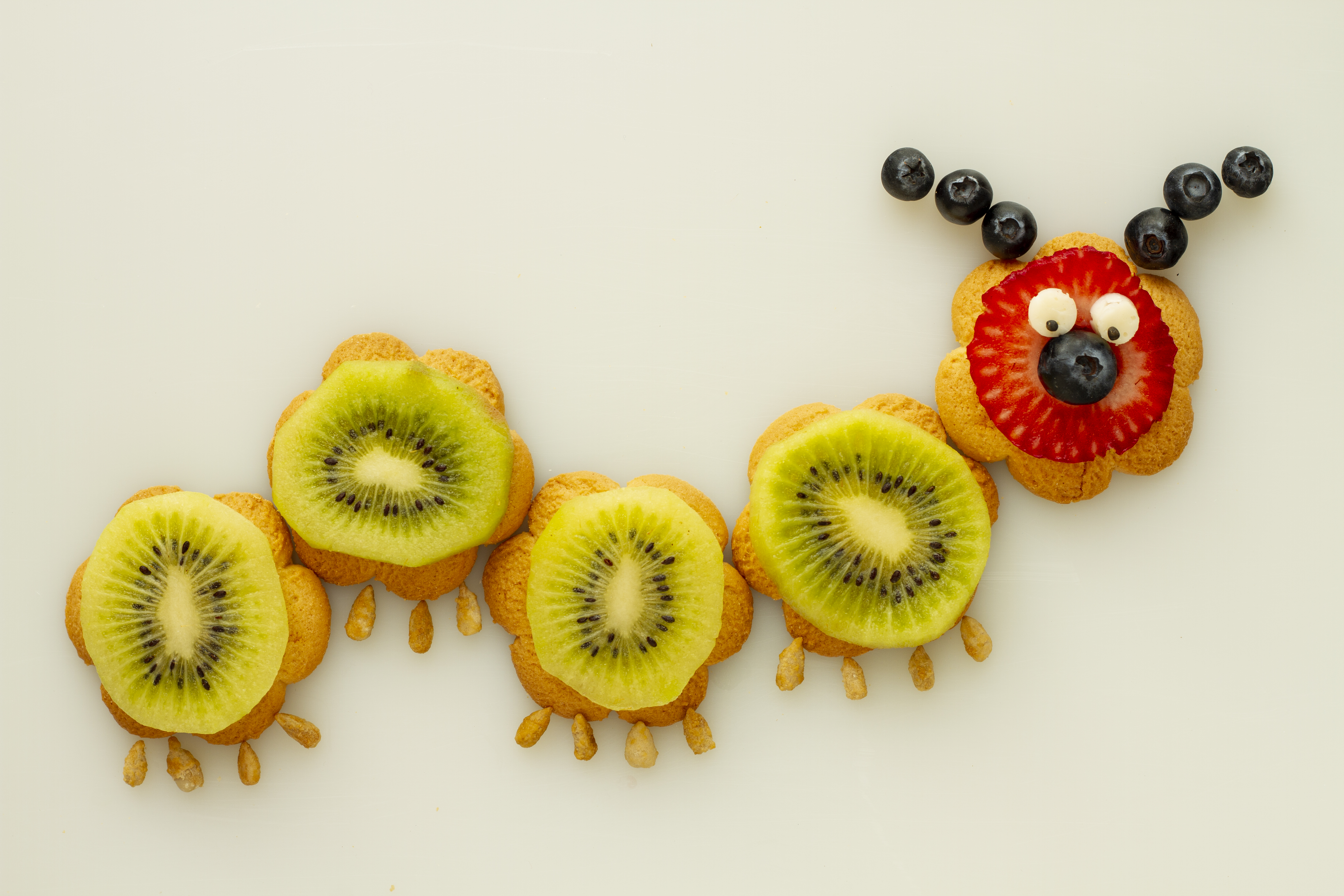 Another helpful strategy is to focus on presentation. Everyday foods can become more appealing when they are turned into something playful. Inspired by The Very Hungry Caterpillar, families can arrange foods in fun shapes or use simple household items to create a theme around eating. Fruit or snack skewers, mini “meat pops” made with cheese and deli items, and cereal necklaces made with string can all make tasting feel like an activity instead of a task. For brand new foods, offering a very small amount in a tiny container can help reduce pressure and make trying something new feel less overwhelming. Even a small finishing touch like a light sprinkle of powdered sugar on certain foods can sometimes make a child curious enough to take a first taste.
Making food at home does not require elaborate recipes or extra stress. Often, it is the experience around the food that helps children feel more comfortable exploring what is on their plate. Whether your child is building a snack box, having a picnic on the floor, or trying fruit from a skewer, small changes can make a big difference. The more positive and playful the experience is, the more opportunities children have to build confidence around food.
Stock Photos from: magnific.com

Take Action
Not sure what the next step is? You can always call our Information Center to speak to a team member who can direct you to the support and answers you need.
Call Us: 412.420.2400
Comments (0)