Blog
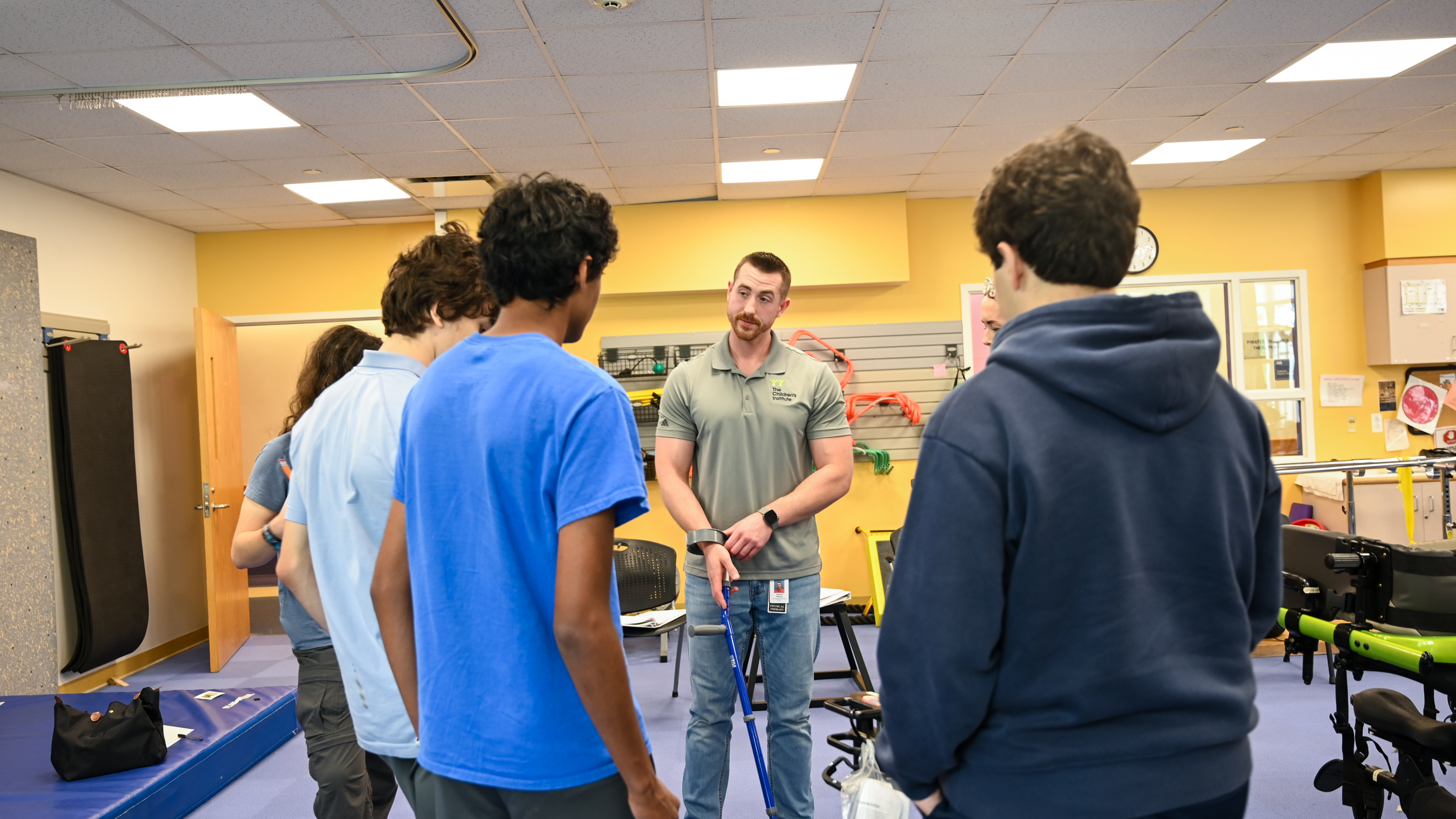
Occupational and Physical therapists from the outpatient department at The Children's Institute were excited to again collaborate with the students and educators from Winchester Thurston School. During each of the prior two summers, therapists hosted an educational session for middle school students participating in a camp offered by Design 2 Make a Difference. The founders of Design 2 Make a Difference, Graig Marx and David Piemme, are both STEM educators at Winchester Thurston School. The focus of the camp was for the students to learn basic CAD modeling and 3D printing with the intention of designing a solution to a functional challenge experienced by someone with a disability. Camp participants met with Occupational, Physical and Speech Language Therapists from The Children’s Institute who provided information about the services we provide, the populations we serve, and examples of real-world accessibility barriers faced by some of the children we serve.
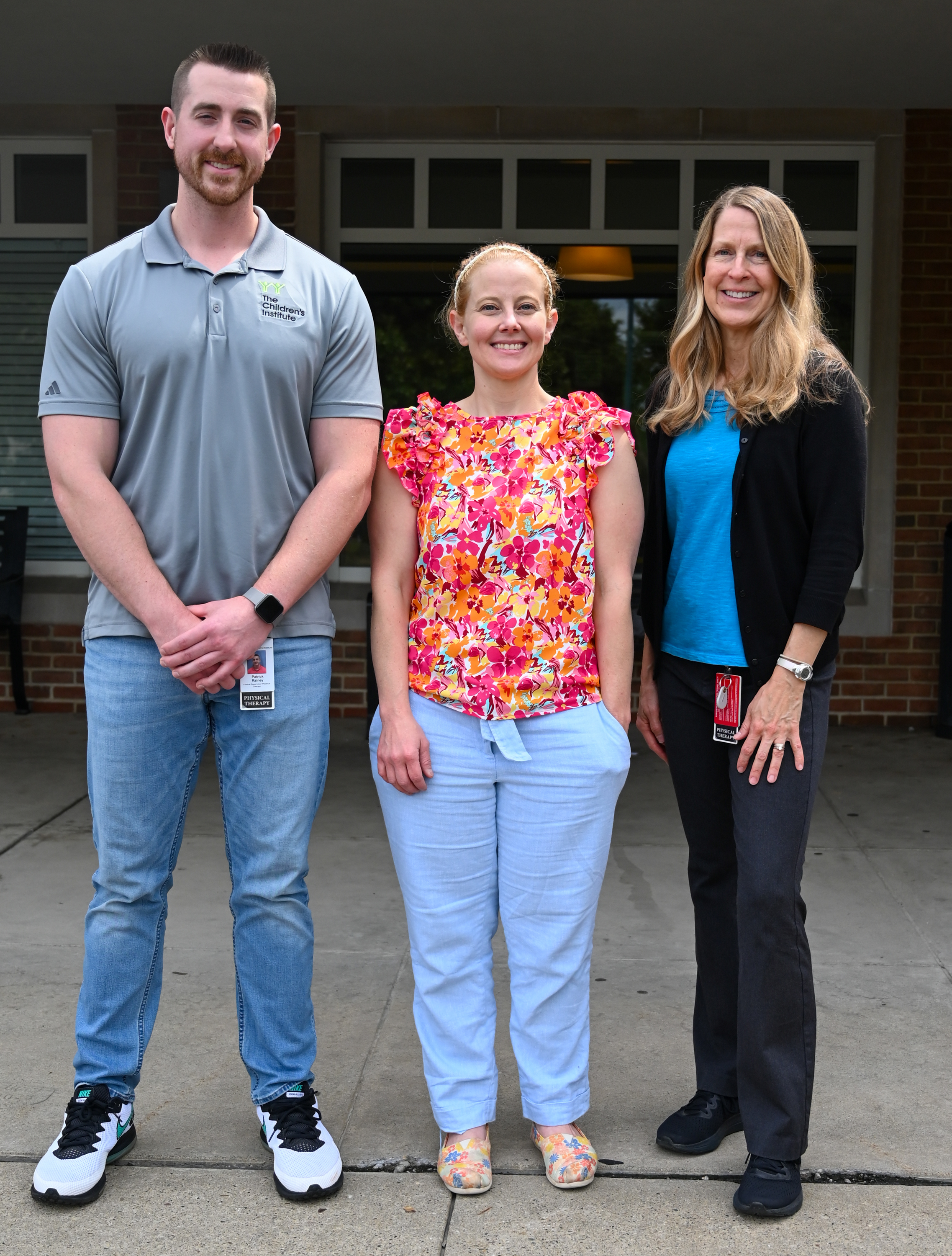
This July, Heather Grace, Occupational Therapist, and Physical Therapists Theresa Miller-Ferri and Patrick Rainey collaborated with a new iteration of the camp concept. Graig Marx founded Access: Innovation in which thirty high-school students from Winchester Thurston School and Pittsburgh Public Schools created designs and prototypes through human-centered design and 3D printing. The students worked on addressing real-world challenges connected to individuals with disabilities in collaboration with The Children’s Institute, CLASS, Inglis Innovation Center, and Reagan’s Journey. One specific challenge a group worked on was designing an adaption for the handlebar of a bicycle that would allow a child with Cerebral Palsy be able to keep their hand on the hand grip. Currently, the child's increased tone and decreased grip strength make it difficult to do so. Having a component that could be added to their bicycle handlebar would afford them the ability to ride their bike with siblings and friends.
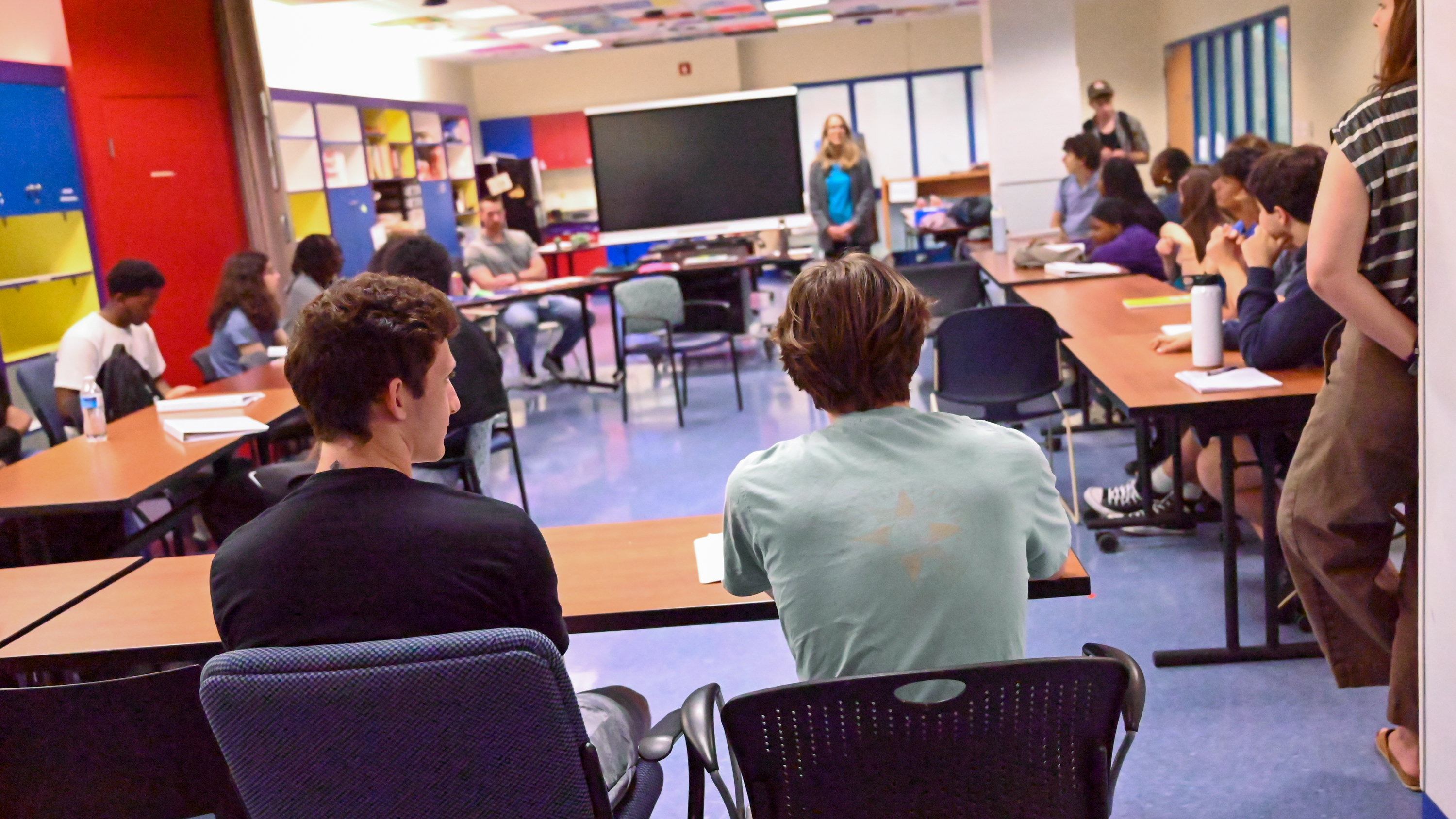
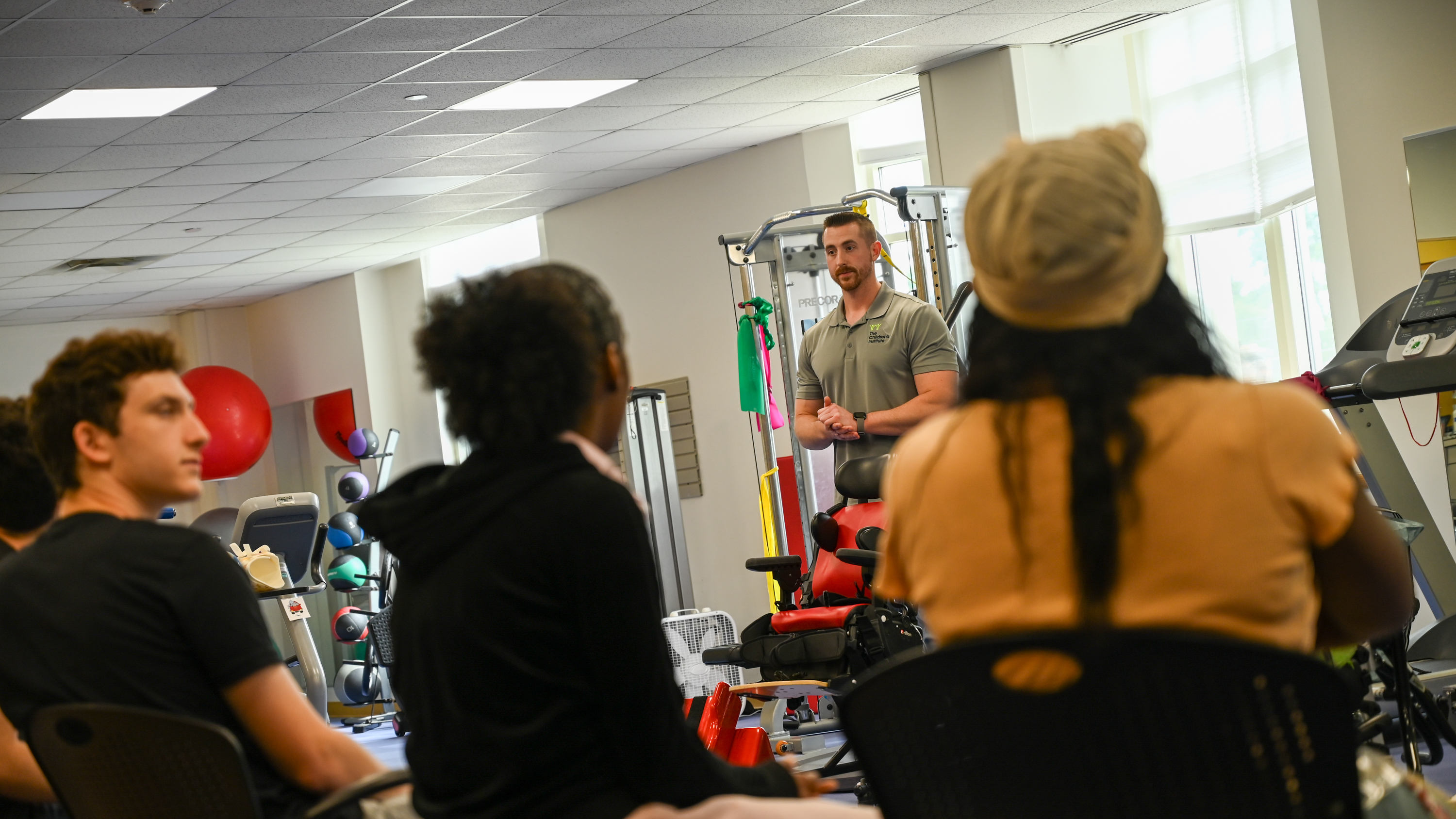
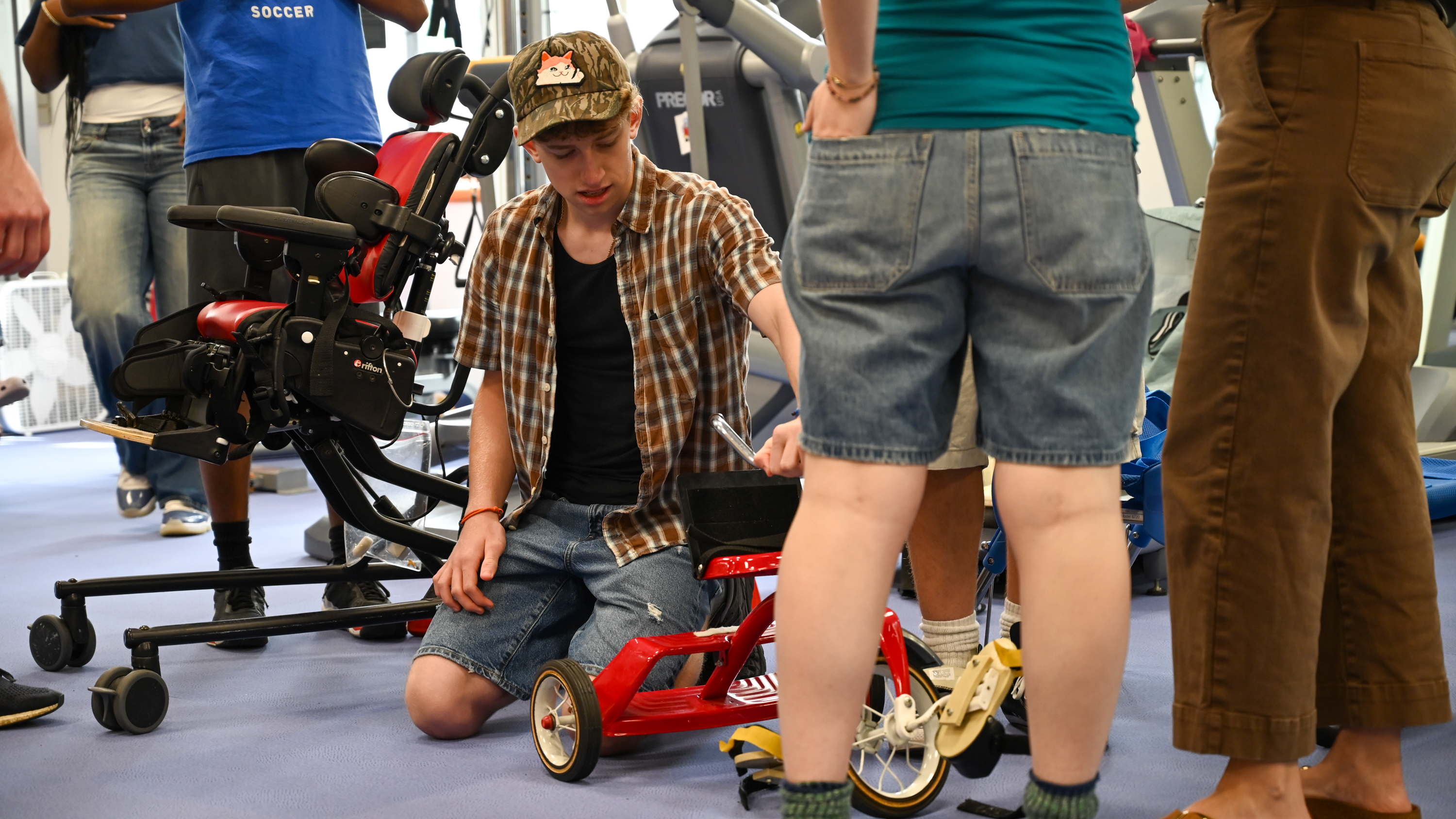
The Access: Innovation students spent the morning at The Children’s Institute during the first week of their camp. During their time with us, they heard about challenges individuals with disabilities might encounter and participated in experiential learning by working through various stations that allowed them to explore some adaptive tools and equipment that already exist, some ways to adapt everyday objects, and to be able to identify some possible gaps in what currently exists as part of their problem-solving process. It was evident that it was an impactful time for the students.
 |
 |
 |
The most powerful part of this program is what happens to the students during their camp experience. When they work on assistive technology and disability-centered design, STEM becomes personal. They are not building abstract objects. They are designing for real people, real challenges, and real impact. You can see the motivation on their faces as their awareness and understanding increase. While learning about switch-adapted toys during our education session, one student commented, “I had no idea there might be kids who can’t play with this toy the way I can!”
The culminating event of the camp was hosted by 412 Ability Tech. Guests at the event heard a short pitch-style presentation from each student group, then had the opportunity to walk through a symposium-style showcase, meet the students, ask questions and see the prototypes up close.
Adaptive Playground Projects
Another opportunity for collaboration came in the Spring of this year. Theresa Miller-Ferri, Regional Director of Physical Therapy services was invited to meet with the first-grade students at Winchester Thurston School as part of their City as our Campus curriculum in which the students begin learning about accessibility awareness and needs in the community. During her visit, Theresa helped the students identify possible barriers to inclusion and accessibility on their school playground and facilitated some of their idea generation for possible design solutions. The students then worked in small groups to design prototypes of their playground designs. In a spectacular way, each group brought their vision to life through the use of clay, popsicle sticks, carboard, glitter, glue and other kid-friendly materials. A showcase afforded them the opportunity to share their designs with their teachers, classmates, family members and other guests.
We are thrilled to continue collaborating with the educators and students at Winchester Thurston School, creating awareness and fostering innovative inclusion to better meet the needs of those in our community, now and for the future.
The Children's Institute Receives 2026 Benjamin Rush Community Organization Award
Take Action
Not sure what the next step is? You can always call our Information Center to speak to a team member who can direct you to the support and answers you need.
Call Us: 412.420.2400
Comments (0)